
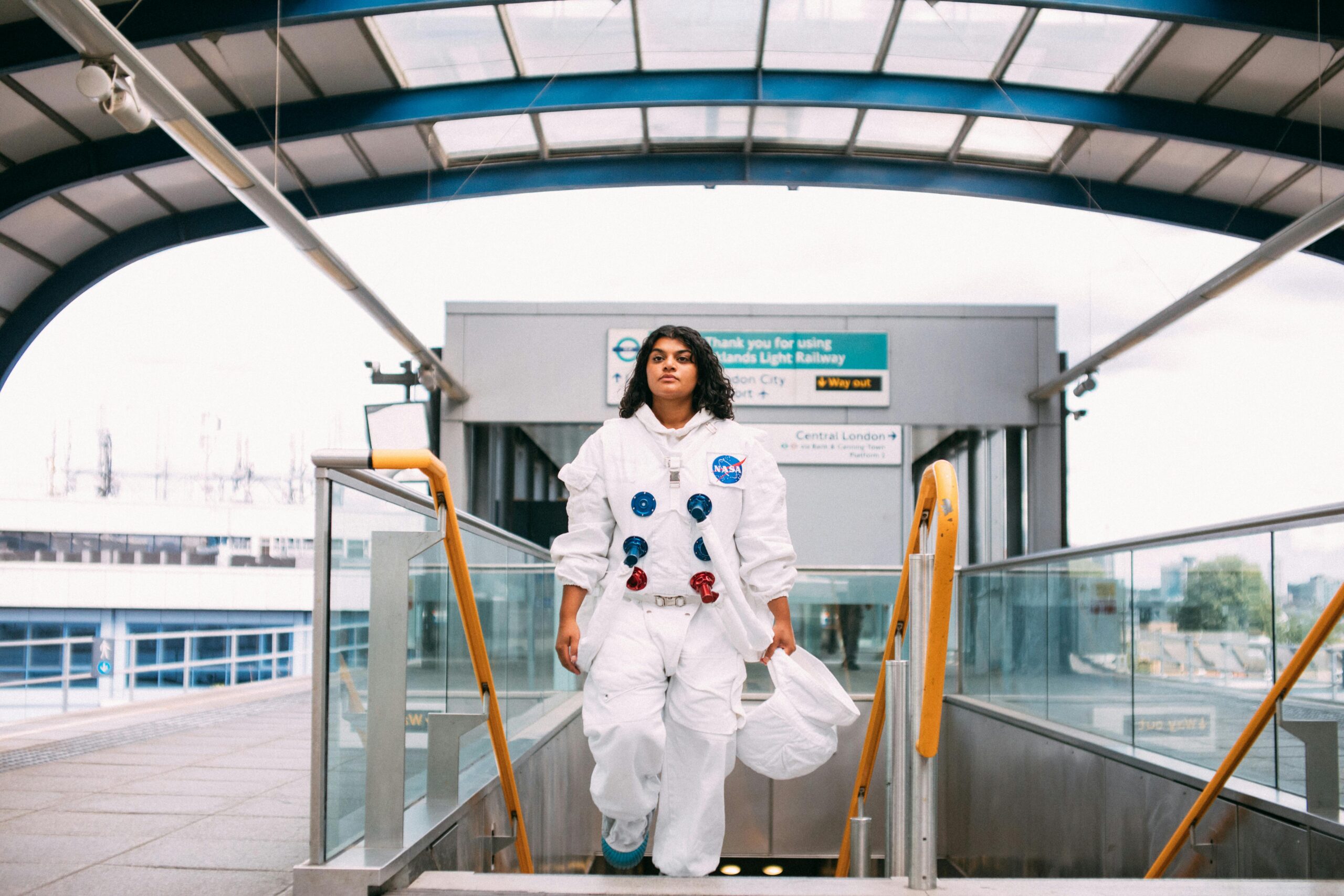
Space has always been more than a scientific frontier—it is a canvas upon which humanity projects its dreams, fears, and limitless curiosity. From ancient stargazing to modern Mars missions, space exploration has profoundly shaped the collective imagination, fueling art, literature, film, and even cultural identity. In 2025, with private companies racing toward the Moon and Mars, telescopes peering deeper into the cosmos, and nations competing and collaborating on space stations, the fascination with space remains stronger than ever.
This article explores how space exploration influences popular imagination, the cultural narratives it inspires, and why the cosmos continues to hold humanity’s collective attention.
1. Humanity’s Longstanding Fascination with the Stars
Long before rockets and satellites, humans looked to the sky for meaning. Ancient civilizations built myths, calendars, and architectural wonders based on celestial patterns:
-
The Egyptians aligned pyramids with Orion’s Belt.
-
The Maya tracked Venus cycles to shape religious rituals.
-
The Greeks and Romans wove gods and legends into constellations.
These traditions demonstrate that space has always been a mirror for human imagination—a source of wonder, guidance, and storytelling. Modern space exploration builds on this legacy, replacing myths with science, but maintaining the same sense of awe.
2. The Space Race and Cultural Imagination
The mid-20th century space race between the U.S. and the Soviet Union exemplifies how exploration shapes imagination:
-
The Sputnik launch (1957) shocked the world, symbolizing technological possibility and political power.
-
Yuri Gagarin’s flight (1961) inspired the idea that humans could transcend earthly limits.
-
The Apollo 11 Moon landing (1969) became a cultural milestone, not only for science but for art, television, and global unity.
Images of astronauts walking on the Moon reshaped public consciousness, embedding space travel into everyday culture. From toys and commercials to books and movies, the Moon became a shared symbol of progress and human ambition.
3. Space Exploration in Literature and Film
3.1 Science Fiction as Inspiration
Space exploration and science fiction share a cyclical relationship: exploration inspires stories, and stories inspire exploration. Writers like Arthur C. Clarke, Isaac Asimov, and Ursula K. Le Guin expanded cultural imagination with tales of interstellar travel, alien civilizations, and futuristic societies.
3.2 Iconic Films and TV Shows
-
Star Trek (1966–present): Portrayed a hopeful, inclusive vision of space exploration.
-
Star Wars (1977–present): Blended fantasy and science fiction, embedding space adventures into global pop culture.
-
2001: A Space Odyssey (1968): Raised philosophical questions about humanity’s place in the cosmos.
-
The Martian (2015): Showed realistic problem-solving in space survival, inspiring interest in Mars missions.
These works reflect cultural hopes and anxieties, influencing how the public perceives real-world space programs.
4. Space as a Cultural Symbol
Space is more than a scientific domain—it is a cultural metaphor:
-
Freedom and Frontier: Like the Wild West, space symbolizes boundless opportunity.
-
Unity of Humanity: From orbit, astronauts describe the “overview effect,” a sense of Earth as a fragile, united home.
-
Existential Reflection: Black holes, distant galaxies, and the possibility of extraterrestrial life inspire philosophical questions about existence.
The cultural power of these symbols extends beyond science, shaping politics, art, and even spirituality.
5. Space Exploration and Technological Imagination
Every advancement in space research reshapes what people believe is possible:
-
Reusable rockets (SpaceX, Blue Origin) have popularized the dream of affordable space travel.
-
Mars missions (NASA, China, private companies) dominate science communication, inspiring global interest in colonization.
-
Telescopes like James Webb reveal cosmic images that spread virally across social media, blending scientific data with cultural awe.
Technology becomes not just a tool but a cultural artifact that inspires films, books, and even video games.
6. Graph: Cultural Areas Influenced by Space Exploration (2025)
| Cultural Domain | Influence Level (%) |
|---|---|
| Literature & Film | 35% |
| Popular Media & Gaming | 25% |
| Philosophy & Spirituality | 15% |
| Political & Social Movements | 15% |
| Everyday Lifestyle (tech, fashion, art) | 10% |
(This graph shows how storytelling and media remain the most significant areas where space exploration impacts imagination.)
7. Esports, Gaming, and Virtual Space Exploration
Interestingly, the gaming industry has embraced space exploration as a dominant theme. Titles like Mass Effect, No Man’s Sky, and Starfield (2023) allow players to experience space in interactive ways. These virtual journeys reflect humanity’s curiosity, blending science and imagination while shaping how younger generations dream about the stars.
8. Space Exploration as a Source of Global Inspiration
Unlike many scientific endeavors, space exploration has a shared cultural appeal:
-
The International Space Station (ISS) stands as a symbol of global collaboration, uniting astronauts from multiple countries.
-
Shared moments—such as the Hubble Deep Field image or the James Webb Telescope’s first photos—become cultural touchstones celebrated worldwide.
-
Space events like solar eclipses or planetary alignments foster communal awe across borders.
These moments reveal that space is a rare domain where humanity feels united rather than divided.
9. Ethical Questions in the Cultural Imagination
As exploration advances, cultural imagination also grapples with ethical concerns:
-
Who owns space? The question of resource mining on the Moon and asteroids sparks debate.
-
Should we colonize Mars? Many worry about repeating colonial histories in space.
-
What if we meet aliens? Films and books reflect both excitement and fear of first contact.
These issues show how cultural imagination doesn’t just celebrate space—it also wrestles with its consequences.
10. Space in Fashion, Music, and Lifestyle
Space exploration even influences everyday culture:
-
Fashion: Futuristic designs and “space-age” materials often draw inspiration from astronaut suits.
-
Music: Bands like Pink Floyd, David Bowie, and more recently electronic artists, often use cosmic themes.
-
Lifestyle: Popular apps track planets, stargazing events, and even simulate astronaut training.
The cosmos seeps into culture not only through grand stories but also through personal identity and expression.
11. The Future of Space and Imagination (2025 and Beyond)
Looking ahead, space exploration promises to inspire culture in new ways:
-
Moon bases and Mars habitats may shift imagination from fantasy to reality.
-
Astrobiology discoveries could redefine humanity’s place in the universe.
-
Tourism in space may transform imagination into personal experience for those who can afford it.
-
Virtual reality simulations could bring the cosmos into people’s homes, democratizing the experience of exploration.
The 21st century is not just about reaching space but about weaving it deeper into human imagination and daily life.
12. Conclusion
Space exploration is more than a scientific endeavor; it is a cultural catalyst that fuels storytelling, technology, ethics, and shared identity. From ancient myths to modern science fiction, from the Apollo Moon landing to private Mars missions, space remains the ultimate stage for humanity’s imagination.
Key takeaways:
-
Space exploration shapes popular imagination through literature, film, gaming, and art.
-
It symbolizes freedom, unity, and existential curiosity.
-
Technology and missions inspire global cultural moments, influencing politics, spirituality, and creativity.
-
Future space efforts will not just extend human reach but also expand the ways culture interprets our place in the cosmos.
Ultimately, space exploration reminds us that imagination itself is boundless—just like the universe we continue to explore.