
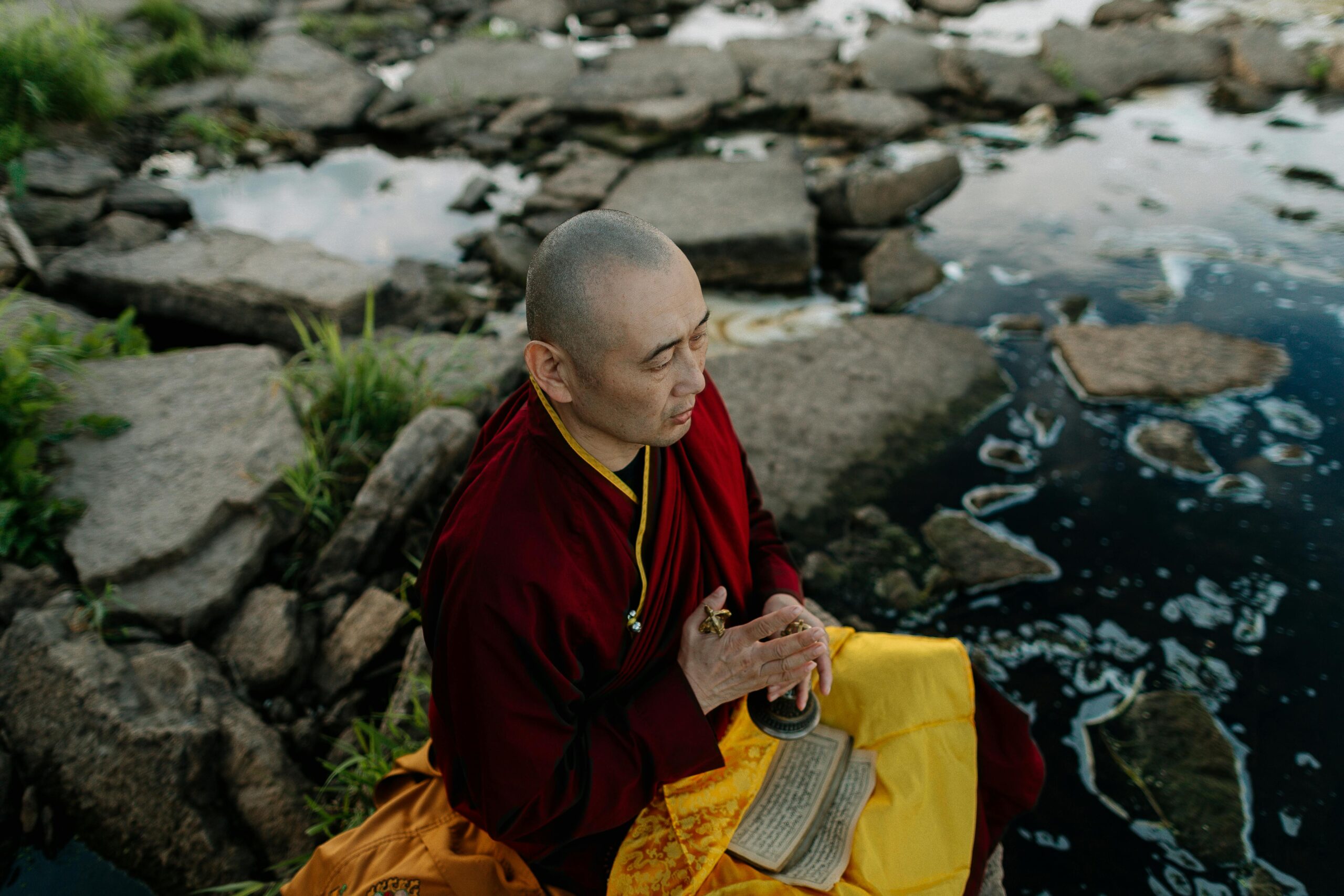
Medicine is not practiced in isolation; it is deeply influenced by the cultural beliefs and traditions of societies. Across the world, cultural values shape how illness is defined, how patients seek treatment, and how healthcare providers deliver care. By understanding the relationship between culture and medicine, we gain insight into why medical practices vary globally and why culturally sensitive healthcare is essential in today’s interconnected world.
1. Culture and Medicine: An Intertwined Relationship
Culture defines people’s worldview, including their understanding of health and illness. This influences:
-
Diagnosis: What symptoms are considered “illness” vs. natural life events.
-
Treatment choices: Use of traditional remedies, spiritual rituals, or biomedical interventions.
-
Doctor-patient relationships: Expectations of authority, communication style, and family involvement.
For example, while Western biomedicine emphasizes scientific testing, many cultures prioritize balance, spirituality, or community in the healing process.
2. Western Medicine: Science and Individual Care
In Western cultures, medicine is largely guided by the biomedical model, which views illness as a physical or psychological dysfunction.
-
Key principles: Diagnosis through tests, treatment with drugs or surgery, focus on the individual.
-
Examples: Chemotherapy for cancer, psychiatric medication for depression.
-
Belief system: Relies heavily on scientific evidence and rational explanations of disease.
However, even in Western societies, alternative and holistic approaches (acupuncture, herbal medicine, mindfulness) are increasingly popular, showing the cultural blending of medical practices.
3. Asian Approaches: Harmony and Balance
Many Asian medical traditions are based on the idea of harmony between forces within the body and with the natural world.
-
Traditional Chinese Medicine (TCM): Health depends on the balance of yin and yang energies. Treatments include acupuncture, herbal remedies, and tai chi.
-
Ayurveda (India): Focuses on balancing the body’s three doshas (vata, pitta, kapha) through diet, herbs, yoga, and meditation.
-
Japanese Kampo Medicine: Herbal remedies are integrated with Western approaches.
Cultural belief: Illness is not just physical but also spiritual and emotional imbalance.
4. Middle Eastern and African Perspectives: Faith and Tradition
In many Middle Eastern and African societies, medicine is strongly influenced by religion and spiritual beliefs.
-
Islamic medicine: Incorporates both Quranic teachings and modern science. Prayer, fasting, and prophetic medicine (like honey and black seed) are used alongside modern treatment.
-
African traditional medicine: Illness is often linked to spiritual causes, ancestral spirits, or witchcraft. Traditional healers, herbal remedies, and rituals play a central role.
-
Example: In some regions, mental illness may be treated with spiritual cleansing or prayer before seeking psychiatric care.
These practices highlight how faith and community values shape medical decisions.
5. Indigenous Views: Holistic Healing
Indigenous communities around the world often view health as interconnected with nature, community, and spirituality.
-
Native American traditions: Healing involves ceremonies, herbal medicine, and connection to land and spirit. Sweat lodges and healing circles are common.
-
Maori (New Zealand): Health is seen as a balance between physical, spiritual, family, and environmental well-being (Te Whare Tapa Whā model).
-
Australian Aboriginals: Illness may be explained through “spiritual imbalance” or broken ties to land and ancestry.
Here, medicine is not just about curing disease but restoring harmony in life.
6. Cultural Beliefs in Modern Medical Practices
Even in modern hospitals, cultural beliefs influence care:
-
Family roles: In many Asian and Middle Eastern cultures, families make medical decisions, not individuals.
-
End-of-life care: Western cultures may focus on patient autonomy, while others emphasize family consensus or religious obligations.
-
Communication: In some cultures, directly telling a patient about a terminal illness is considered inappropriate; instead, the family is informed.
-
Dietary practices: Religious beliefs (Halal, Kosher, vegetarianism) affect hospital food and treatment compliance.
7. Benefits and Challenges of Cultural Influence
Benefits
-
Holistic care: Many traditional systems treat body, mind, and spirit.
-
Community support: Strong family involvement improves recovery.
-
Alternative remedies: Natural medicine provides accessible, affordable care.
Challenges
-
Stigma: Mental health issues may be seen as weakness or spiritual failure.
-
Conflict with science: Some traditional practices may delay critical biomedical treatment.
-
Cultural misunderstandings: Doctors unfamiliar with patients’ beliefs may fail to provide effective care.
8. Toward Culturally Sensitive Healthcare
For effective global healthcare, cultural awareness is essential:
-
Integration: Combine traditional practices with modern medicine where possible. (e.g., yoga and meditation alongside therapy).
-
Education: Train healthcare providers in cultural competence.
-
Respect: Recognize patients’ values in medical decision-making.
-
Technology: Telemedicine and AI can adapt care to cultural contexts.
By embracing cultural diversity, medicine can become more inclusive, effective, and patient-centered.
9. Conclusion
Cultural beliefs shape how societies view illness, treatment, and healing. From Western biomedical science to Asian balance, Middle Eastern faith traditions, and Indigenous holistic views, each culture offers unique insights into health.
Key takeaway: Medicine is not just science—it is also culture. By respecting and integrating cultural beliefs into healthcare, societies can bridge the gap between tradition and modern science, creating systems of care that are both effective and compassionate.