
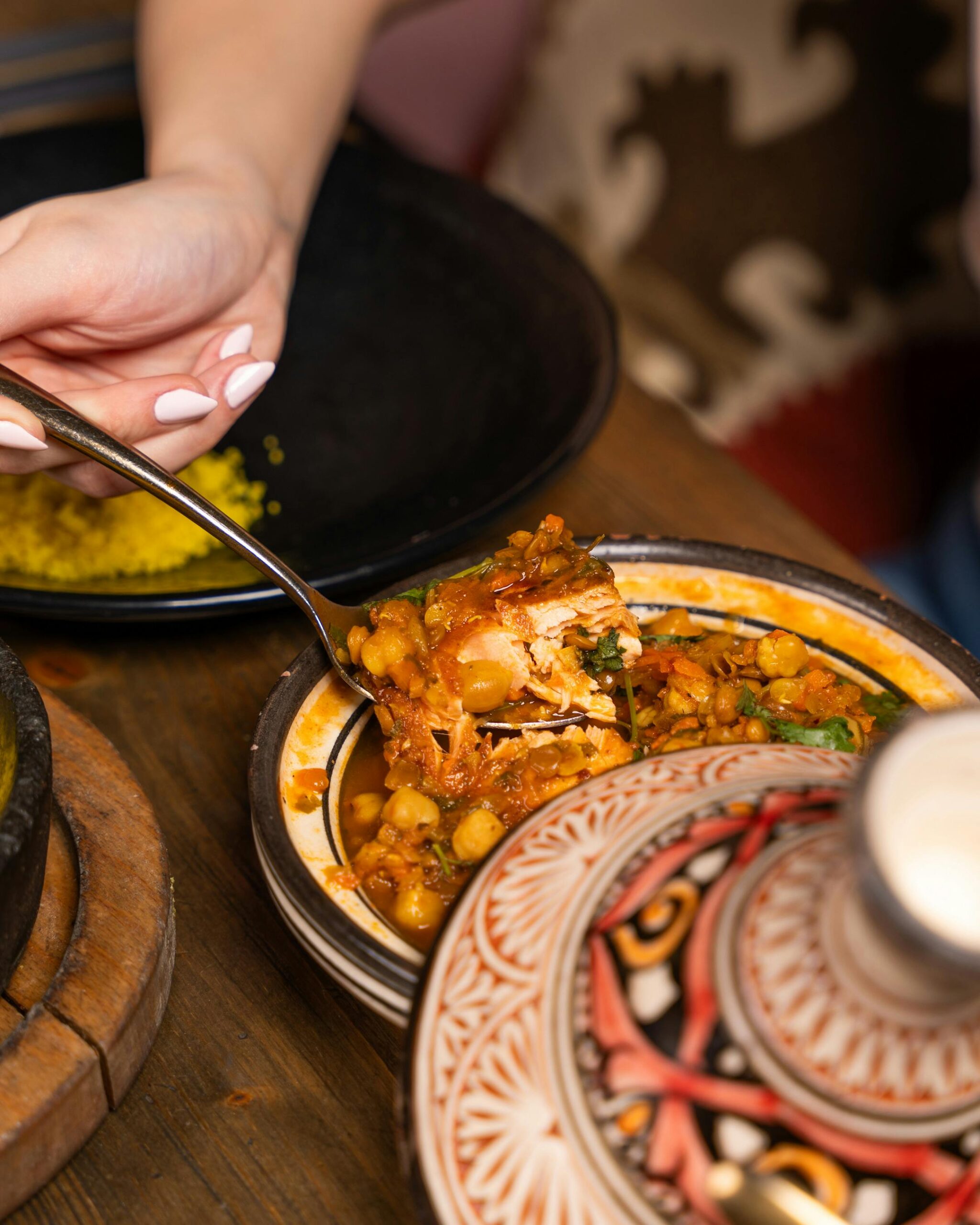
Food is more than just sustenance — it is a bridge between cultures, a form of identity, and increasingly, a field of scientific innovation. While culinary traditions preserve the cultural essence of communities, food science transforms the way we grow, prepare, and consume meals. Today, the intersection of these two worlds is shaping not only what we eat but also how we perceive food in a globalized society.
The Roots of Culinary Traditions
Every culture has a unique relationship with food, developed over centuries of geography, history, and lifestyle. Culinary traditions often reflect:
-
Environment and geography – Rice in Asia, maize in Latin America, wheat in Europe.
-
Cultural beliefs – Religious practices like halal, kosher, or fasting.
-
Community identity – Recipes passed down through generations serve as cultural anchors.
-
Celebration and ritual – Festivals, weddings, and rites of passage often revolve around specific dishes.
For example, Japan’s art of sushi emphasizes precision and respect for ingredients, while Italy’s pasta culture reflects regional variations and the importance of family dining. These traditions preserve heritage and ensure that food remains tied to memory and meaning.
Food Science: The Modern Transformation
Food science applies biology, chemistry, and technology to improve the safety, taste, and sustainability of what we eat. Its contributions include:
-
Food preservation: Refrigeration, canning, and freeze-drying allow food to travel across the globe.
-
Nutritional optimization: Fortified foods combat deficiencies (e.g., iodine in salt, vitamin D in milk).
-
Flavor engineering: Understanding how molecules interact has led to flavor enhancers and plant-based meat alternatives.
-
Safety and hygiene: Scientific processes ensure food is free from harmful bacteria and contaminants.
Food science has extended human life expectancy, made exotic cuisines globally available, and offered solutions to global hunger.
When Science Meets Tradition
Rather than replacing traditions, food science often enhances them. Around the world, we see examples of this blend:
-
Fermentation: Ancient practices like making kimchi, yogurt, or sourdough bread are now studied by microbiologists to understand probiotics and gut health.
-
Coffee and tea culture: While traditional brewing rituals persist, science has refined roasting techniques and antioxidant research.
-
Chocolate making: Rooted in Mayan traditions, it now benefits from controlled fermentation and conching for consistent flavor.
-
Wine and beer: Ancient brews have been perfected through yeast science and quality control.
Here, food science preserves the essence of tradition while enhancing consistency, nutrition, and accessibility.
Cultural Resistance and Adaptation
The intersection of science and tradition is not always smooth. Some communities resist industrialization of their food, fearing a loss of authenticity. For example:
-
Processed foods are criticized for stripping cultural dishes of their natural integrity.
-
Fast food globalization sometimes overshadows local cuisines.
-
Artificial additives raise concerns about long-term health effects.
Yet, traditions also adapt. Many cultures reimagine ancient recipes with modern tools — clay ovens replaced by steel ones, or herbal teas being packaged for international markets. The challenge lies in balancing authenticity with innovation.
The Future: Fusion of Science and Culture
Looking ahead, the fusion of food science and tradition promises exciting possibilities:
-
Sustainable practices – Cultures that relied on seasonal diets may inspire modern plant-based food systems.
-
Personalized nutrition – Genetic testing and microbiome science could tailor traditional diets to individual health needs.
-
Culinary innovation – Chefs increasingly use molecular gastronomy (foam, gels, liquid nitrogen) to reinvent classic dishes.
-
Preservation of heritage – Digital tools and scientific documentation are helping record and safeguard ancient recipes for future generations.
Conclusion
Food is at once cultural memory and scientific frontier. Culinary traditions remind us of our roots, connecting us to history and community. Food science, meanwhile, ensures safety, sustainability, and innovation for a growing global population.
The true beauty lies in the blend: when science supports tradition, and tradition inspires science. Together, they create a culinary landscape where flavors, stories, and innovations nourish both the body and the soul.