
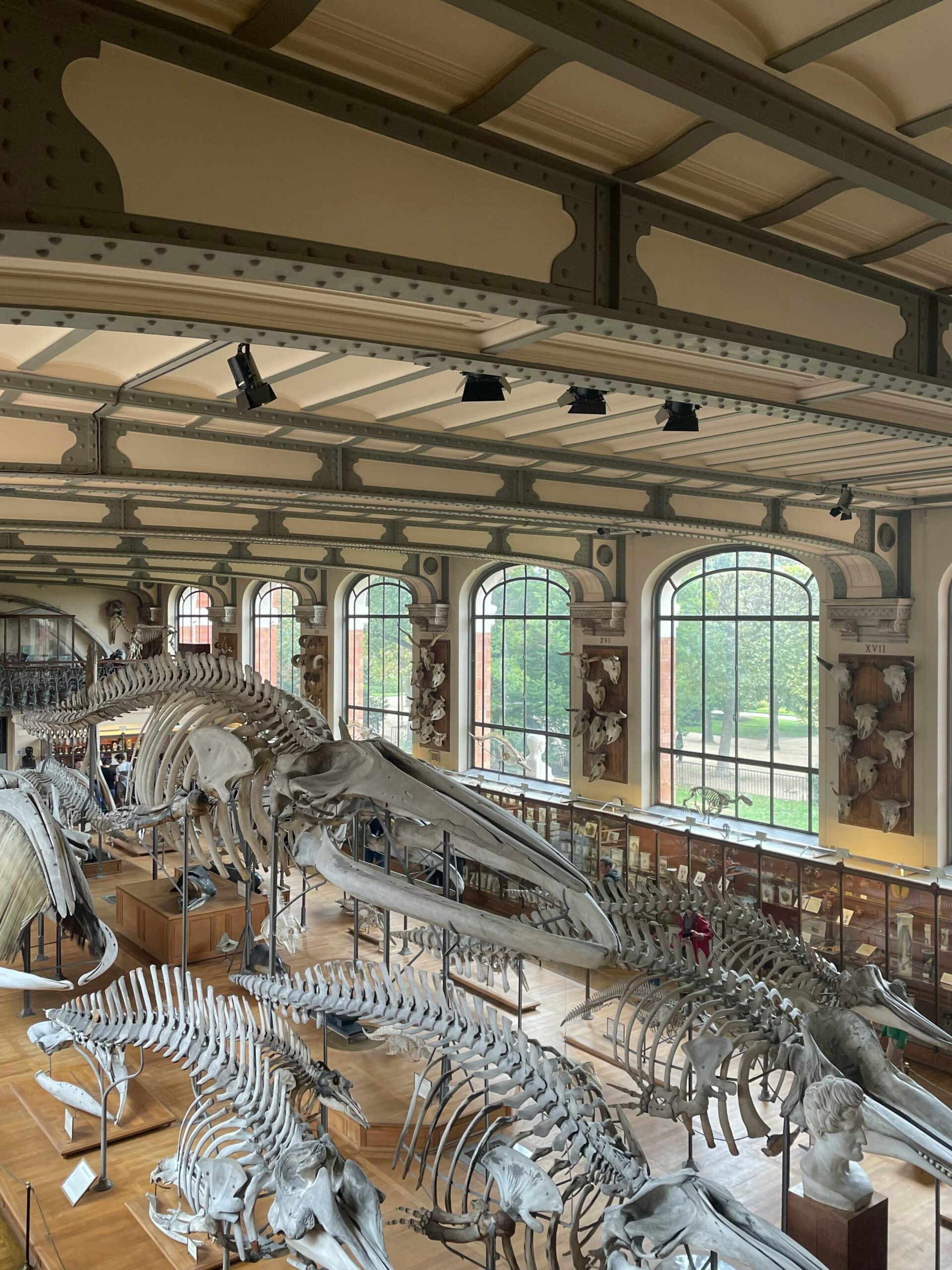
Science museums have transformed from quiet halls of preserved specimens into vibrant centers of exploration, innovation, and cultural exchange. In the 21st century, these institutions are not just places to learn about physics, biology, or astronomy—they are community hubs where science, history, and culture intersect. Their growth reflects society’s increasing recognition of science as a cultural force that shapes our daily lives, values, and shared global identity.
1. The Evolution of Science Museums
1.1 Early Collections
The first science museums emerged during the Enlightenment, when scholars and explorers collected fossils, minerals, and mechanical devices to showcase humanity’s expanding knowledge. These “cabinets of curiosity” were limited to elites, serving more as displays of wealth and power than as public institutions.
1.2 Modern Transformation
Today’s science museums prioritize hands-on learning, inclusivity, and public engagement. Interactive exhibits, digital simulations, and immersive experiences invite visitors of all ages to explore complex ideas in accessible ways.
2. Science Museums as Cultural Institutions
2.1 Beyond Science Education
While their primary mission is to communicate science, museums also reflect cultural values. For example, an exhibit on renewable energy may highlight not only the technology but also global efforts to combat climate change—a deeply cultural and ethical challenge.
2.2 Preserving Heritage and Innovation
Science museums safeguard humanity’s scientific heritage—from early telescopes and medical tools to space exploration artifacts. At the same time, they celebrate innovation by showcasing new technologies such as robotics, AI, and biotechnology.
3. The Role in Promoting Cultural Awareness
3.1 Bridging Global Perspectives
Exhibitions often include global contributions, showing how different civilizations advanced mathematics, astronomy, or medicine. By doing so, museums foster cross-cultural respect and highlight that science is a shared human endeavor.
3.2 Inclusion and Representation
Modern science museums strive to include the contributions of women, indigenous peoples, and underrepresented groups. This inclusive approach enriches cultural awareness by challenging stereotypes and broadening perspectives.
4. Immersive Learning Experiences
4.1 Interactive Exhibits
From virtual reality spacewalks to AI-driven biology labs, modern science museums emphasize active participation. These experiences not only build knowledge but also emotional connections, deepening cultural appreciation for scientific progress.
4.2 Art-Science Collaborations
Many museums now host art installations inspired by science, blending creativity with discovery. Such collaborations engage visitors on multiple levels—intellectual, emotional, and cultural.
5. Community Engagement and Social Impact
5.1 Science for All Ages
Museums offer programs for children, teens, and adults, ensuring lifelong learning. Family workshops, school trips, and senior citizen activities make science accessible across generations.
5.2 Tackling Social Issues
Some institutions curate exhibits around pressing global issues like climate change, pandemics, and digital ethics. By addressing these topics, science museums contribute to cultural conversations and empower citizens to make informed decisions.
6. Digital Expansion and Accessibility
6.1 Virtual Museums
The COVID-19 pandemic accelerated the rise of online exhibits and virtual tours, making science museums accessible to global audiences. This shift expanded cultural awareness by connecting people across borders through shared learning.
6.2 AI and AR in Exhibits
Augmented reality (AR) and artificial intelligence (AI) are being used to create immersive storytelling experiences. For instance, visitors can interact with holographic scientists or simulate ancient experiments.
7. Challenges Faced by Science Museums
-
Funding Pressures: Balancing financial sustainability with public accessibility.
-
Keeping Exhibits Relevant: Rapid scientific advancements require constant updates.
-
Inclusivity Gaps: Ensuring all communities see themselves represented in exhibits.
-
Digital Divide: Virtual content risks excluding those without access to technology.
8. Future of Science Museums
The future of science museums lies in global collaboration, inclusivity, and technological integration. We can expect more eco-friendly museum designs, AI-powered learning tools, and cross-cultural exhibitions that highlight humanity’s collective pursuit of knowledge.
9. Conclusion
Science museums are no longer passive archives—they are dynamic cultural institutions shaping how societies understand both science and themselves. By combining education with cultural awareness, they create spaces where curiosity, identity, and innovation converge.
Key Takeaways:
-
Science museums evolved from elite collections to public, interactive institutions.
-
They promote cultural awareness by including diverse scientific contributions.
-
Technology, art, and immersive experiences enhance engagement.
-
They address global issues, making science relevant to cultural life.
-
The future lies in inclusivity, digital accessibility, and sustainability.
In a world increasingly shaped by scientific discovery, science museums remind us that science is not just knowledge—it is culture, heritage, and a shared human journey.